What are the new trends in robotics this year? In 2026, robotics is entering a new phase… here are 7 trends to watch out for.
Robotics has been a core technology in some industries for over 70 years, since the creation of the first industrial robot. Despite this long and practical history, the general public often sees robots as new or futuristic. Those of us inside the robotics industry know the reality is that advancements in robotics tend to be slow and steady.
But one new technology has exploded into existence in just 3 short years — generative artificial intelligence (GenAI) combined with large language models (LLMs). GenAI has changed the face of many industries and is making its way into robotics.
Physical AI: From Code to Contact
The big story of 2026 is Physical AI. Of course, we’ve seen the roots of AI-powered robotic technology in research labs for decades.But it’s about to go mainstream.
According to a recent Deloitte report, AI-powered robots are already showing up in many real-world applications from smart inspection to automated supply chains.
One technology supporting this transition are high-fidelity simulation platforms (such as the powerful Isaac Sim platform by NVIDIA), that are used used to test advanced AI algorithms.
You can combine this high-fidelity cloud simulation with robot programming through the RoboDK Isaac Sim Bridge Add-in.
Humanoids: Headline Grabbers, Hard Truths
Humanoid robots always grab people’s imaginations and media headlines… But, this year, the technology is finally catching up with the hype.

At RoboDK, we haven’t placed much interest in humanoid robots in the past because they are rarely the best option for real-world industrial tasks. However, the technology is going through a change and there is a lot of buzz about humanoid robots in 2026.
One pioneering market is China, which has set specific targets for mass-producing humanoid robots as part of its national strategy. Meanwhile, automotive manufacturer Hyundai announced a plan to roll out humanoids across its global operations.
Cobots Are the Workforce Multiplier
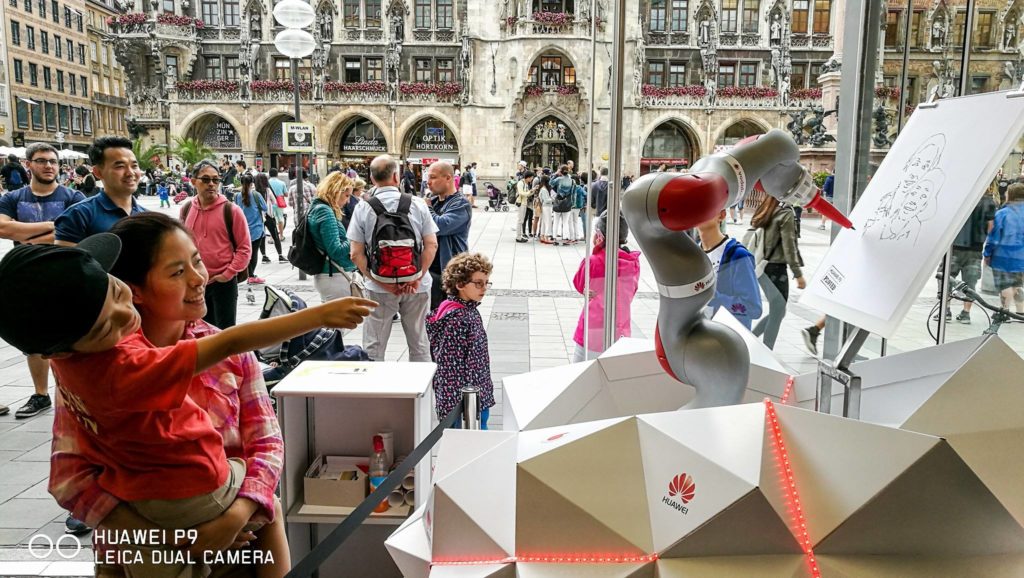
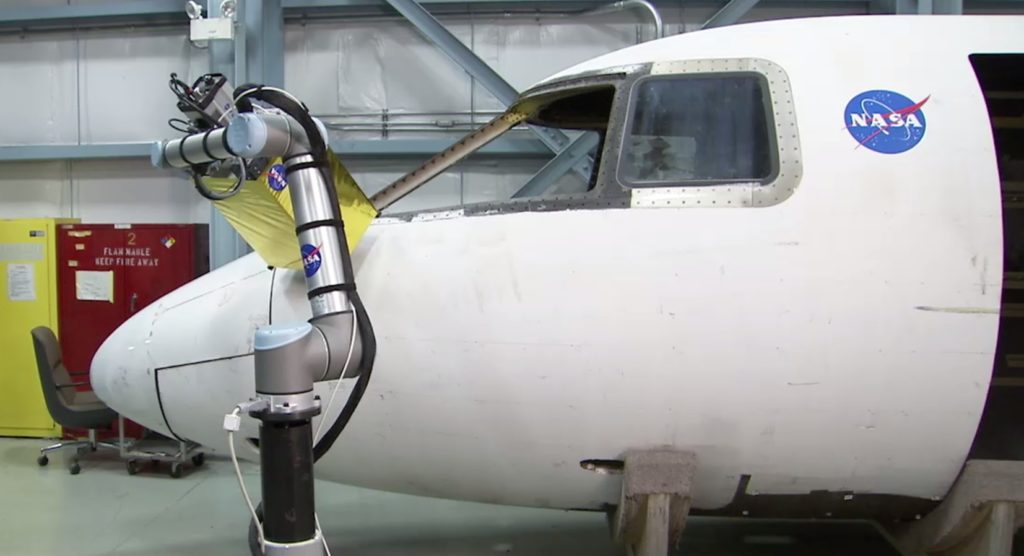
Almost two decades since the first collaborative robot (cobots) launched, these flexible robots are now a staple in many industries. An important driver of cobot adoption has been the rise of Robots-as-a-Service (RaaS) , which put cobots within reach of small and medium-sized businesses. This has opened up many new businesses to the benefits of robotic automation.
Did cobots make conventional industrial robots obsolete (as some people predicted would happen years ago)? No.
Instead, cobots have just joined the many types of industrial robots that are each perfectly suited to different tasks. And at the same time, industrial robots are becoming more collaborative in the way they are deployed.
These trends are reflected in the latest ISO 10218 and ANSI/A3 R15.06 industrial robot safety standards, which do away with the term ‘collaborative robot’ and replace it with ‘collaborative applications.’ This doesn’t mean that cobots have disappeared -far from it, they are more popular than ever. It means that in 2026, safety is being defined at the application level and not simply by the type of robot being deployed.
Smart Factories: Agentic AI Arrives
Another important trend is Agentic AI, which involves using smart technologies to reason, plan, and act on large-scale business processes. This can involve physical robots but also incorporates automated management of supply chain disruptions, customer experience, and production flow.

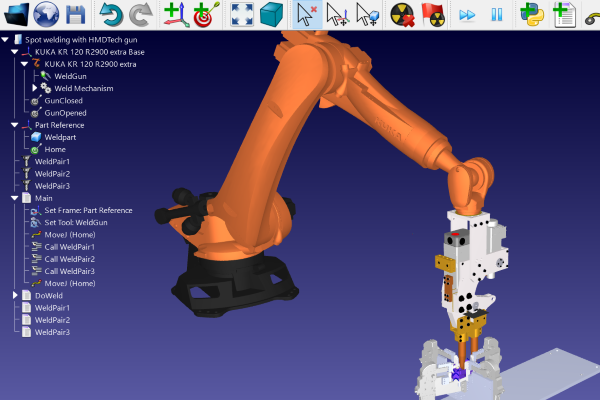
With a robot simulator like RoboDK, you can easily analyze and improve and maximize your production flow and uptime without having to take your physical robot out of production.
Lights-Out Operations and Robot Night Shifts
Lights-out warehouses and “dark factories,” which require no human workers, have been a talking point for a few years now.
Ever since Amazon acquired Kiva Systems back in 2012 to create its robotic warehouses, it has seemed like only a matter of time before logistics would become totally automated. However, the last few years have shown that humans are still very necessary.
One trend we’re seeing is robotic “night shifts” in factories and warehouses, where human operators set up automated machines at the end of the day shift and leave them running overnight.
Supply Chains Get Smarter and Shorter
Logistics and supply chain management have been a key application area for robotics since the global supply chain disruption during Covid-19 global pandemic in 2020.
In 2026, we are seeing a continued move towards “nearshoring” using robotic automation. This practice involves bringing manufacturing closer to a company’s home country by supplementing human labor with robots.
Adding AI and automation is also allowing companies to manage supply chains in a more agile way, letting them adapt to changes and disruptions quickly.
High-Precision Robotic Machining and Surface Finishing
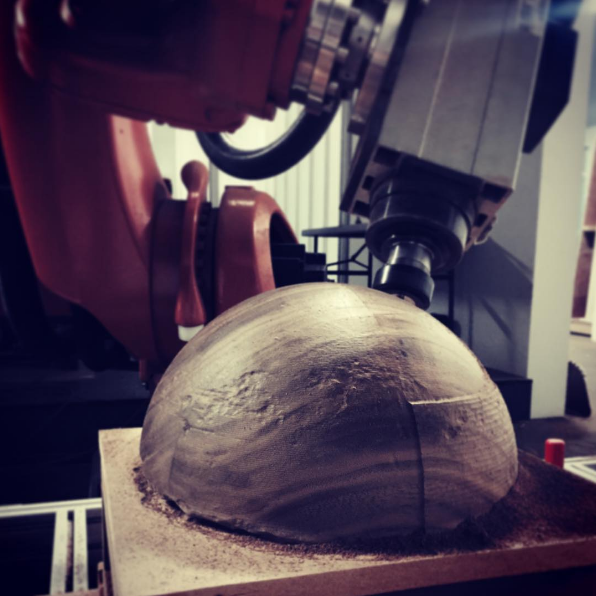
One trend we noticed at the Automatica 2025 trade fair was the growth of high-precision robotic machining.
Compared to conventional CNC machines, robots have traditionally lacked the stiffness for very high-precision machining. However, recent advancements in both mechanical structures and control algorithms mean that the new wave of machining robots can even handle hard materials like tempered steel.
This past year, we also saw that robotic surface finishing, palletizing, and other end-of-line processes continue to draw interest from companies across industries. This aligns with the trend of smarter factories and shows that robots can be used throughout an entire production journey.
Final Thought: Connected Robotic Ecosystems
Another trend we saw at last year’s Automatica 2025 was the growth of connected ecosystems of robotic and automation components.
With the growth of AI technologies, it seems inevitable that automation systems will involve multiple technologies from various suppliers.
RoboDK’s brand-agnostic robot programming software and products empowers you to combine industrial robots with a gigantic selection of components, empowering you to create systems that combine the best the emerging technology trends that 2026 is set to bring!
What trends are you looking at this year? Join the discussion on LinkedIn, Twitter, Facebook, Instagram, or in the RoboDK Forum.. Also, check out our extensive video collection and subscribe to the RoboDK YouTube Channel